
For real estate agents, hosting a high-converting open house isn’t just about unlocking the door and hoping for buyers. An open house is a strategic marketing event that, when done right, generates serious interest and potential offers while connecting you to prospective new homebuyer clients looking in the area. Whether you’re a new listing agent hosting your first open houses, or a more experienced Realtor looking to refine your approach, this open house checklist will help you maximize attendance, engagement, and follow-up to turn visitors into clients.
Experienced Realtors and listing agents know that your open house success starts long before buyers walk through the door. Effective marketing ensures you’re attracting the right audience and maximizing attendance.
📌 Checklist for pre-event marketing:
✔ List your open house on the MLS and major real estate platforms.
✔ Promote the event across social media, email, and local groups.
✔ Run targeted Facebook and Instagram ads to reach local buyers.
✔ Send personal invitations to potential leads and neighbors.
✔ Use video teasers or live walkthroughs to generate buzz.
Real-world example: One listing agent saw a 50% increase in open house attendance after using a short-form Instagram video to highlight the property’s best features.

Once your open-house attendees begin to arrive, your goal as the hosting agent is to make a lasting impression. A seamless, welcoming event increases the chances of securing follow-ups and offers.
📌 Checklist for open house setup & execution:
✔ Stage the home for maximum appeal (declutter, depersonalize, and enhance lighting).
✔ Set up eye-catching signage to direct traffic.
✔ Greet guests warmly and provide branded brochures or property details.
✔ Offer refreshments and interactive elements to encourage buyers to stay longer.
✔ Have a sign-in system (QR code, digital form, or paper) to collect lead information.
Real-world example: A Realtor noticed a higher conversion rate when they provided a detailed property guide with financing options, neighborhood highlights, and a comparison chart of similar homes.

Your real estate open house isn’t over when the last visitor leaves. The real conversion happens in the follow-up. A high-converting open house strategy ensures no leads go cold after the event.
📌 Checklist for follow-up success:
✔ Send a personalized follow-up email within 24 hours.
✔ Call or text serious buyers to discuss their thoughts on the home.
✔ Provide additional property recommendations if this one wasn’t the right fit.
✔ Send a thank-you message to neighbors, who may refer future buyers.
✔ Retarget visitors with Facebook and Google ads featuring the property.
Real-world example: A Realtor converted 20% more open house attendees into clients by sending a personalized video message thanking them for attending and offering next steps.

A successful open house is more than just an open door—it’s a strategic event that requires strong marketing, a seamless experience, and a well-planned follow-up. By using this checklist, you can increase attendance, build relationships, and turn open house visitors into serious buyers. Ready to elevate your open house game? Start implementing these strategies today.
Spring is traditionally the busiest time for Realtors, but the spring 2025 real estate market is bringing some major shifts. Buyer behavior, interest rates, and inventory levels are changing, and agents who adjust their strategy now will have the edge. What does this market shift mean for your business? Let’s break down the key trends and how you can stay ahead.
After a cooler real estate market in 2024, buyers are returning. Incrementally lower interest rates and pent-up demand are driving a bump in increased competition, meaning bidding wars may be back in certain local markets.
📌 How to adjust:
Real-world example: A Realtor in a high-demand neighborhood started preparing buyers with lender-backed pre-approvals and escalation clauses, helping clients win more bids despite increased competition.
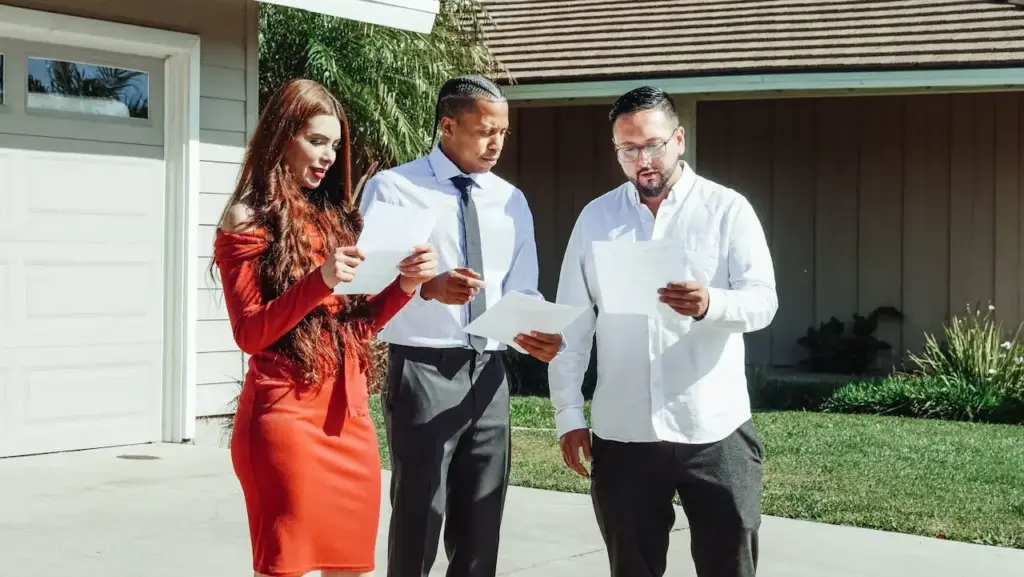
Many homeowners are still hesitant to sell due to low inventory concerns, but off-market deals and pocket listings are becoming a bigger part of the landscape. Smart real estate agents are building relationships to uncover hidden opportunities.
📌 How to adjust:
Real-world example: An agent leveraged social media marketing and direct mail outreach to target long-time homeowners, securing two off-market listings before they hit the MLS.

With more buyers and sellers researching online, a strong digital presence is more important than ever for Realtors and teams. Agents who rely solely on traditional real estate marketing strategies may struggle to compete in 2025.
📌 How to adjust:
Real-world example: A Realtor doubled their listing inquiries by consistently posting market updates and video content on Instagram and YouTube, positioning themselves as a market expert.

The Spring 2025 real estate market is shifting, but agents who adapt will thrive. With increased buyer competition, tight inventory, and the rise of digital marketing, now is the time to adjust your strategy. Take action today to stay ahead, win more clients, and close more deals this season.
Your website is your digital storefront—but is it actually attracting and converting leads? Many realtor websites fail to generate business due to slow loading times, poor mobile experience, and weak lead capture strategies. The good news? These problems are easy to fix. Here’s how to optimize your website in three simple steps to turn visitors into clients.
Speed matters. Whether you’re running your personal website as Realtor, or running a real estate team, a slow real estate website frustrates visitors and sends them to your competitors. Even worse, Google ranks slow websites lower in search results, making it harder for potential clients to find you.
📌 How to fix it:
Real-world example: A Realtor improved their website speed by compressing images and switching to a premium hosting service, reducing page load time by 2.5 seconds and increasing lead form submissions by 30%.

More than 60% of homebuyers browse listings on their phones. If your website isn’t mobile-optimized, potential clients will struggle to navigate it—leading to higher bounce rates and fewer leads.
📌 How to fix it:
Real-world example: A real estate team updated their website to a fully responsive design, making it mobile-friendly. Their mobile traffic jumped 40%, and their contact form conversions doubled in three months.

📌 How to fix it:
Real-world example: A Realtor simplified their contact form from 8 fields to 4 and added a free market report opt-in—boosting lead submissions by 50% in just one month.

Your real estate agent website should be a 24/7 lead generation machine, not just a digital business card. By improving speed, mobile-friendliness, and lead capture, you can turn more visitors into actual clients. Take a few minutes to audit your site today—small changes can make a huge impact on your business.
Artificial intelligence (AI) is reshaping real estate, offering faster ways to generate and nurture leads. But is AI the secret weapon realtors need, or does it risk removing the personal touch that builds lasting client relationships? In this guide, we’ll break down the pros and cons of using AI for lead generation—so you can decide if it’s worth the investment.
AI-powered tools can filter leads, automate responses, and qualify prospects, helping agents focus on serious buyers and sellers.
📌 What’s good?
📌 Potential downside:
📌 How to make it work for you:
Real-world example: A real estate brokerage used AI-driven chatbots to qualify buyer and seller leads and saw a 40% reduction in response time—but ensured that real agents followed up for high-value conversations.

AI excels at data analysis, but real estate is a relationship-driven business. Clients still expect personalized service and local expertise.
📌 What’s the risk?
📌 How to balance AI and authenticity:
Real-world example: A top-performing agent combined AI-driven market reports with personalized video messages, leading to a 15% increase in client engagement.

AI doesn’t just save time—it helps realtors find better leads by analyzing data trends and predicting buying behavior.
📌 How AI improves lead targeting:
📌 The challenge:
📌 Best strategy:
Real-world example: A real estate team used AI-powered predictive analytics to target sellers before they listed and increased their listing appointments by 25% in six months.

AI is not a replacement for realtors, but it’s a powerful tool when used correctly. It can automate tedious tasks, refine lead targeting, and enhance follow-ups—but it still needs the human touch to build trust and close deals. The best strategy? Blend AI with personalized service to maximize efficiency without sacrificing client relationships.
A strong Google Business Profile with lots of Google reviews for Realtors can mean the difference between a potential client choosing you or your competition. But if you’ve ever felt awkward asking for reviews as a real estate agent, you’re not alone. The good news? You don’t have to beg. With the right approach, you can naturally increase your Google reviews, boost your credibility, and improve your search rankings. Here’s how.
Most happy clients are willing to leave a review—but only if it’s quick and simple. If they have to search for your Google Business Profile or figure out where to leave feedback, they might not bother.
📌 What’s wrong?
📌 How to fix it:
Real-world example: A realtor added a Google review link to their post-closing emails and saw a 30% increase in reviews within three months.

Timing and wording matter when asking for reviews. The best moment? When your client is happiest.
📌 What’s wrong?
📌 How to fix it:
Real-world example: A realtor started asking for reviews right after handing over the keys and saw a higher response rate compared to waiting a few weeks.

The best way to get great reviews? Give your clients an experience they want to rave about.
📌 What’s wrong?
📌 How to fix it:
Real-world example: A real estate agent who delivers a personalized thank-you package at closing receives twice as many 5-star reviews as those who don’t.

Getting more Google reviews as a real estate agent isn’t about begging—it’s about making it easy, asking at the right time, and delivering exceptional service that’s worth talking about. By following these steps, you’ll naturally boost your online credibility, local search rankings, and client trust—all without feeling pushy. Why not give it a try?
Is your real estate lead follow-up strategy costing you sales? The reality for realtors and real estate teams is that generating leads is only half the battle—the real challenge is turning those leads into actual sales. Many realtors make simple but costly mistakes in their lead follow-up process, causing potential clients to go cold or choose another agent. If you're struggling to convert leads, it might be time to rethink your approach. Here are three common follow-up mistakes and how to fix them fast.
One of the biggest mistakes realtors make is waiting too long to reach out to a new lead. In today’s fast-moving market, potential buyers and sellers expect an almost immediate response.
📌 What’s wrong?
📌 How to fix it:
Real-world example: A buyer inquired about a home on a Sunday afternoon but didn’t hear back until Monday morning. By then, they had already scheduled a tour with another agent. Fast response time could have kept that lead in your pipeline.

Many agents send the same canned emails or texts to every lead, making their communication feel impersonal and easy to ignore.
📌 What’s wrong?
📌 How to fix it:
Real-world example: An agent sent the same pre-written email to 50 online leads. Only two responded. After switching to personalized messages referencing their preferred neighborhoods, response rates tripled.

Many agents stop following up after one or two attempts, assuming a lead isn’t interested. In reality, most conversions happen after five or more touchpoints.
📌 What’s wrong?
📌 How to fix it:
Real-world example: An agent followed up with a seller lead twice and assumed they weren’t interested. Another agent stayed in touch for two months—and eventually won the listing when the seller was ready.

The difference between losing a real estate lead and closing a deal often comes down to how well you follow up. If you’re waiting too long, using generic messaging, or giving up too soon, you could be leaving sales on the table. Refining your follow-up process with faster responses, personalization, and persistence will help you convert more leads and grow your real estate business.
Social media is no longer just a “nice to have” for realtors—it’s a must-have for generating leads and staying competitive. But with constant algorithm changes and new platforms emerging, what’s actually working in 2025? This guide breaks down the most effective social media strategies for realtors, covering Instagram, Facebook, LinkedIn, and up-and-coming platforms that can boost your visibility and engagement.
Instagram continues to be one of the best platforms for real estate marketing, but static posts alone won’t cut it anymore. Reels and Stories are driving the highest engagement.
📌 What’s working in 2025:
📌 Quick tip: Use trending audio and captions on Reels to boost reach, and post Stories daily to stay top-of-mind.

Facebook remains a powerful real estate marketing tool for building relationships with your local audience. The key to success? Hyper-local content that positions you as the go-to expert.
📌 What’s working in 2025:
📌 Quick tip: Instead of just posting listings, engage in discussions and offer local insights to increase visibility.

LinkedIn is often overlooked by realtors, but in 2025, it’s an essential platform for building credibility and attracting high-end clients.
📌 What’s working in 2025:
📌 Quick tip: Post at least twice a week and engage with others’ content to increase visibility.

Social media isn’t about posting for the sake of posting—it’s about strategic engagement that builds trust, attracts leads, and keeps you top-of-mind. Whether you focus on Instagram for visibility, Facebook for community engagement, or LinkedIn for authority, adapting to what’s working in 2025 will help you stay ahead of the competition.
Your real estate listing photos are the first thing that homebuyers see, and in an instant they can determine whether a property gets an in-person showing or gets ignored. But way too many realtors make one critical mistake: poorly executed listing photos that fail to showcase the home’s best features. Whether it’s bad lighting, the wrong angles, or missed details, small errors can cost your clients valuable buyer interest. Here’s how to avoid these common mistakes and make your listings stand out.
Lighting is everything when it comes to listing photos. A poorly lit home looks smaller, darker, and less appealing to buyers.
📌 The mistake:
📌 How to fix it:
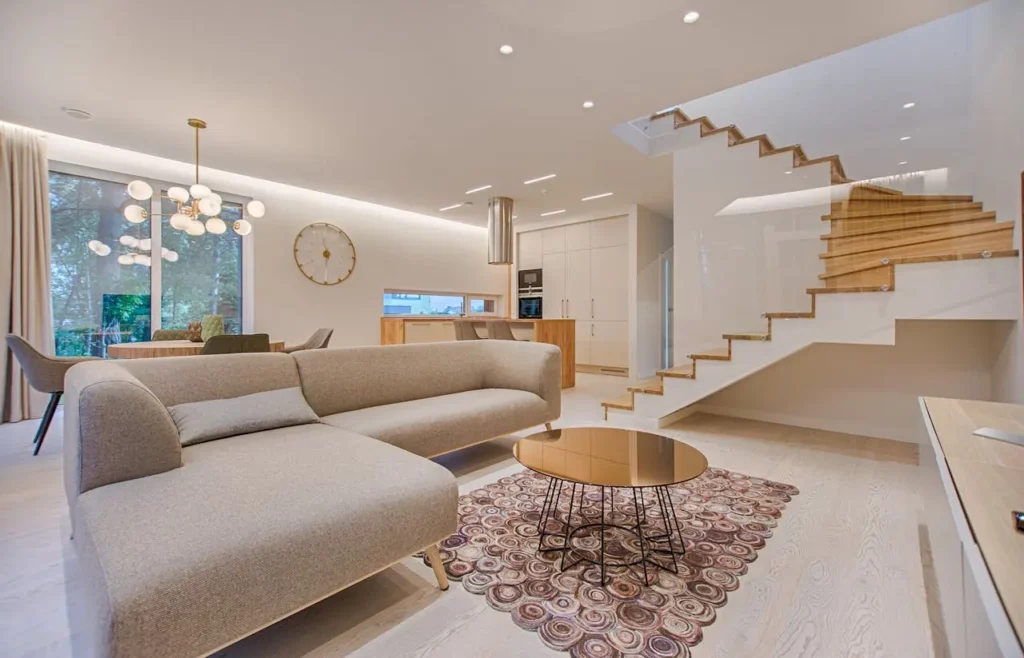
The angle of a photo can completely change how a space looks. The wrong angles can make rooms appear cramped or awkward.
📌 The mistake:
📌 How to fix it:
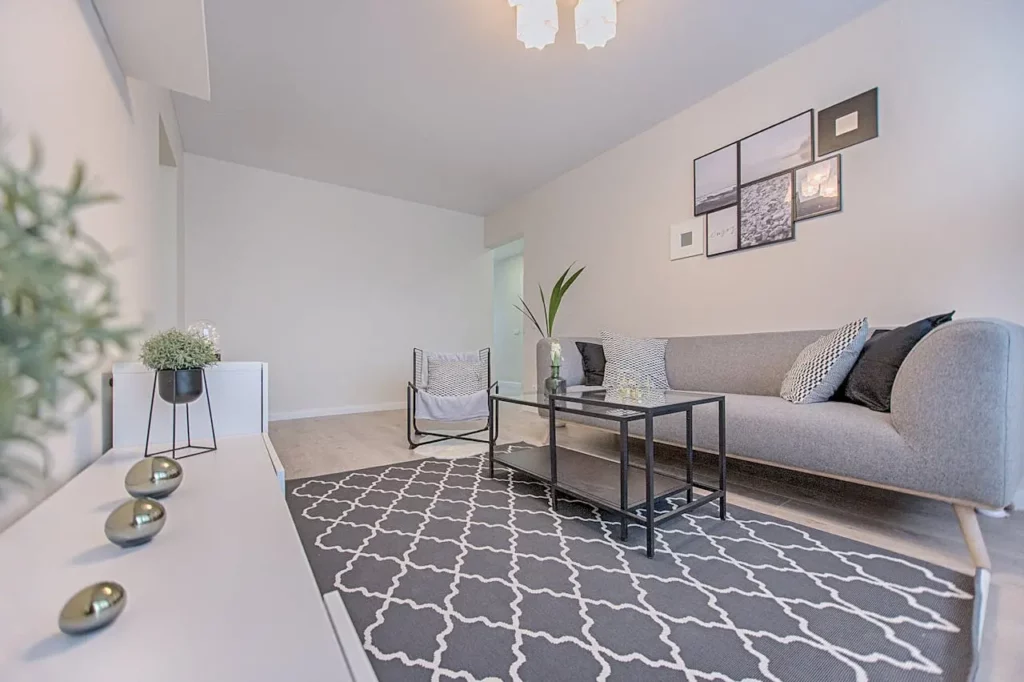
Buyers need to imagine themselves living in the home, but clutter and lack of staging can make that difficult.
📌 The mistake:
📌 How to fix it:

The quality of your real estate listing photos directly impacts buyer interest and showings. Avoid common mistakes like poor lighting, bad angles, and cluttered spaces to ensure your photos highlight the home’s best features. Investing time in better listing photos can lead to faster sales and stronger offers—so make sure yours stand out.
Video marketing is a game-changer for realtors who want to stand out and win more clients in 2025. Buyers and sellers expect high-quality video content that showcases properties, builds trust, and makes agents more approachable. But not all video strategies are created equal. In this guide, we’ll break down the best-performing real estate videos and where to use them to maximize your reach and engagement.
A well-produced listing video brings a property to life in ways that photos and descriptions simply can’t.
📌 Why they work:
📌 Where to use them:

People don’t just buy homes—they buy into a lifestyle. Neighborhood tour videos help potential buyers visualize what it’s like to live in your area.
📌 Why they work:
📌 Where to use them:

In 2025, clients want to work with realtors they trust. Personal branding videos let them get to know you before ever making contact.
📌 Why they work:
📌 Where to use them:

If you’re not using video marketing in 2025, you’re leaving business on the table. Listing videos attract buyers, neighborhood tours position you as a local expert, and personal branding videos help build trust. By incorporating these three video strategies, you’ll stand out in a crowded market, engage more clients, and close more deals. Start creating today, and watch your real estate business grow!
Google My Business (GMB) is a powerful tool for realtors to attract local buyers and sellers, but the truth is that most real estate agents and teams aren’t using it to its full potential. There’s one often-overlooked setting that could be limiting your visibility in search results—and costing you clients. If you want to maximize your local reach and generate more high-quality leads, keep reading to discover this hidden GMB optimization trick.
One of the most common (and costly) mistakes realtors make on GMB is selecting the wrong business category—or failing to add additional relevant ones.
📌 How to fix it:

Google prioritizes local results, and if your service area settings are incorrect or incomplete, you could be missing out on ranking for key neighborhoods.
📌 How to fix it:

Most realtors overlook the Q&A section in Google My Business, but it’s a secret weapon for improving engagement and search rankings.
📌 How to fix it:
Google My Business is a critical tool for realtors, but small mistakes can impact your ability to attract local clients. By refining your business categories, service areas, and Q&A strategy, you’ll increase your visibility and generate more qualified leads. Don’t let simple settings hold you back—optimize your GMB today and start seeing results!