
Let’s talk about video for your real estate listings. The truth is, if you're still relying solely on photos and written descriptions to sell homes in 2025, you’re already behind. Video content—especially short-form tours and social media reels—is now non-negotiable for Realtors in many markets. Homebuyers watch listing videos before they walk in, and listings with video consistently attract more clicks, shares, and offers. Let’s break down why video matters for real estate listings, and how to use it effectively without becoming a full-time filmmaker.
Today’s buyers, especially millennials and Gen Z, expect to see homes in motion. Video gives real estate listings a sense of space, flow, and emotional connection that photos alone can’t capture.
According to NAR, listings with video receive 403% more inquiries than those without. Whether it’s a full walkthrough, drone shot, or a 30-second reel—video grabs attention and builds trust. Think of it as your virtual open house that’s always “on.”

Instagram, Facebook, YouTube, TikTok—every major social media platform is pushing video content to the top of feeds. That means your real estate listing video doesn’t just Exist on the MLS. It becomes a social asset.
Use reels to highlight key features, neighborhood vibes, or “just listed” teasers. Don’t overthink it—authentic, well-lit clips from your phone can go a long way. Pro tip: Use closed captions and fast-paced editing to hold viewer attention.

Perfection isn’t the goal, connection is. Most smartphones shoot high-quality video these days, and simple editing tools like CapCut or Canva make polishing easy. Create a checklist: one full walkthrough, one 15-second reel, and one agent-on-camera intro per listing. Batch filming makes the process more efficient, and you’ll quickly build a library of content that works for email, social, and listing pages.

Video is no longer a bonus for real estate listings. It's the most powerful way to showcase the property, connect with buyers, and grow your brand. By integrating video into every listing, you’ll stand out in crowded markets, increase your reach, and convert more lookers into serious leads.
Want help streamlining your real estate marketing and incorporating high-converting video into your strategy? Ollin One makes it easy to plan, post, and promote your listings with video-ready templates and tools—no editing degree required.
Geo-farming for real estate agents isn’t dead—it’s just smarter now. In 2025, dominating your local market means more than mailing postcards and hoping for calls. Today’s top-performing agents are using data, automation, and content to build authority and trust within specific neighborhoods. If you want to become the go-to agent in your farm area, here’s how to do it right.
For real estate agents with limited time and marketing budgets, not all neighborhoods are worth farming. So, before you commit, dig into the data. Look for turnover rate (ideally 6%+), low agent saturation, and average home values that align with your commission goals.
Tools like PropertyRadar or Title Toolbox can help you zero in on the best targets. Bonus tip: Look at areas where you already have a connection—past clients, current listings, or strong community knowledge.

Success in geo-farming for real estate comes from frequency and consistency. Yes, mailers still work—but pair them with digital touchpoints like Google Business Profile posts, Facebook ads, and neighborhood-specific landing pages. Your brand should show up in mailboxes, inboxes, and newsfeeds. Build a content calendar so you’re showing up with valuable insights—market updates, events, homeowner tips—at least 2–3 times a month.

The best geo-farming real estate agents become not just familiar faces but trusted advisors in their neighborhoods. Host local events (think coffee pop-ups or document-shredding days), sponsor community magazines or newsletters, and check in with homeowners regularly (automated email follow-up helps here). Over time, your presence becomes less promotional and more relational—meaning when it’s time to list, homeowners in your geo-farm call you as the real estate agent they know and trust.

Geo-farming for real estate agents in 2025 is about showing up with value—consistently, authentically, and strategically. With the right data, digital integration, and community focus, you can dominate your local market and stay top-of-mind with homeowners year-round.
Need help setting up a geo-farming campaign that works while you sell? Ollin One gives you the tools to target smarter, automate follow-up, and stand out in every neighborhood.
How long has it been since you changed your real estate email marketing strategy? If your open rates are stuck in the single digits, or your email blasts feel more like a shot in the dark than a smart strategy… it’s time for a refresh.
In 2025, successful real estate email marketing for agents and teams hinges on three key ingredients: personalization, automation, and segmentation. Here’s how to modernize your approach and turn every email into a lead-nurturing machine.
(And if you’re NOT doing email marketing, you’re leaving deals on the table! Learn more: Why Email Marketing for Realtors is Still Key in 2025)
Yes, “Hi [First Name]” is a start—but today’s buyers and sellers expect more. For real estate email marketing, personalization means sending content tailored to your contact’s behavior, location, and needs. Did they click on a blog about downsizing? Send a follow-up email with a seller’s checklist. Are they browsing homes in a specific zip code? Highlight local listings or neighborhood guides. Use dynamic content blocks to swap in relevant images, listings, or CTAs for each audience segment.
For more tips on lead and past-client follow-up, read our guide: 3 Lead Follow-Up Mistakes Realtors Make (And How to Fix Them Fast)
![Go beyond “Hi [Name]” by tailoring emails to client behavior and interests.](https://ollin1.com/wp-content/uploads/2025/05/Go-beyond-Hi-Name-by-tailoring-emails-to-client-behavior-and-interests-1024x682.webp)
Automation isn’t cold—it’s efficient. Set up automated drip campaigns for new leads, open house attendees, or past clients. For example, after someone downloads your buyer’s guide, trigger a three-part email series offering pre-approval tips, neighborhood highlights, and a buyer consultation invite. Platforms like Mailchimp, ActiveCampaign, or Ollin One make automation seamless and scalable.

Not every contact wants the same message. For the best results with your real estate email marketing, break your list into segments—buyers, sellers, past clients, investors, etc.—so you can speak directly to their goals. This not only improves open and click-through rates but also builds trust. A seller in their 60s downsizing doesn’t need the same content as a first-time millennial buyer. Segment by behavior, location, and stage in the journey for smarter targeting.

Outdated email marketing strategies for Realtors can quietly drain your lead pipeline. By adding personalization, automation, and segmentation, you can turn email into one of your highest-performing channels. The best part? Once it’s set up, it runs on autopilot—bringing you better leads with less work.
Need help building automated, on-brand email campaigns that convert? Ollin One gives real estate agents powerful tools to modernize your outreach and get results faster.
Before you start planning your real estate marketing in 2025, is your branding up to the challenge? For real estate agents and Realtor teams, branding isn’t just about a pretty logo or a nice Instagram grid. In the competitive market of 2025, it’s about trust, professionalism, and consistency across every client touchpoint—from your public listing flyers to your private DMs.
If your real estate branding feels scattered, rushed, or outdated, it could be costing you referrals and listings. Here’s your complete step-by-step guide to branding your real estate marketing in 2025 that actually works for you, every time and everywhere you show up.
Before you dive into social media or email marketing, you need to nail down your visual branding. This includes your real estate agent/team logo, fonts, brand colors, headshots, and any custom graphic elements. Keep it clean, modern, and aligned with the type of clientele you want to attract.
Whether you're working luxury listings or first-time buyers of starter homes, your visuals should reflect your level of service and expertise. Using DIY design tools like Canva, or hiring a designer through platforms like Fiverr or 99designs, can make this process easier than ever for real estate agents.

Once your visuals are locked in, make sure your branding shows up consistently across all platforms. Use the same profile photo, bios, and handles when possible. Create branded templates for your Just Listed, Just Sold, and Market Update posts. Stick to your color palette and fonts in Stories and Reels. People should instantly know they’re looking at your content—whether they’re on Facebook, Instagram, or LinkedIn.
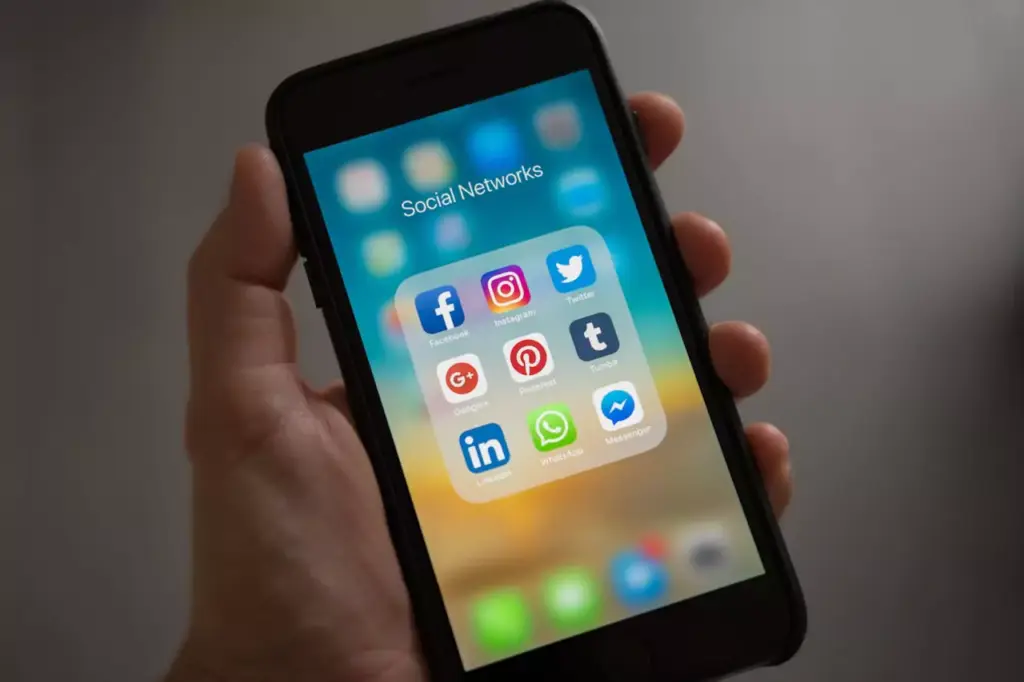
Your brand should show up in inboxes and mailboxes too. Use branded email marketing for Realtors in your newsletters, listing blasts, and drip campaigns. Match your fonts and colors across email headers and footers. For print, design business cards, listing flyers, and signage that mirror your digital presence. Consistency builds recognition—and recognition builds trust.

In a crowded real estate market, your brand is your reputation. A clean, consistent presence across social, email, and print shows clients you’re serious, organized, and professional—before you even speak a word.
Need help building or refreshing your real estate brand for 2025? Ollin One gives you custom templates, automation tools, and marketing support to keep your brand sharp and seamless across every channel.
For agents looking to save time, real estate marketing automation is the answer. While marketing is essential, if you’re spending more time scheduling emails and posting to Instagram than actually selling homes, something’s off.
The good news is that automation tools have come a long way. Now they can help you nurture leads, maintain visibility, and stay top of mind without draining your time or energy. Here are three easy ways to automate and put your real estate marketing on autopilot.
Email automation for Realtors lets you stay in touch with leads and clients without having to write each message by hand. Set up drip campaigns for new leads, monthly newsletters for your sphere, and milestone emails for anniversaries or check-ins. Most CRM platforms (like Follow Up Boss or Real Geeks) let you personalize and schedule emails so they feel human—without the manual effort.

Social media is a visibility machine for real estate agents. But creating marketing content and posting daily is like another full-time job. Platforms like Later, Buffer, or Loomly allow you to plan, design, and schedule your posts in advance.
For best results in automating your real estate social marketing, we recommend creating a month of content all at once, mixing in your listings and sales, market info, buyer/seller tips, and personal updates. Then let the tools do the posting while you do the selling.

For real estate agents (and any sales professional) following up quickly can be the difference in winning or losing a lead. But, with automated real estate tools, it doesn’t have to mean constant checking.
Use a smart real estate CRM and automation tools for real estate agents to instantly reply to new inquiries, assign leads to drip campaigns, and set reminders for manual follow-ups.
The faster you respond, the more likely they are to stick around. Automation makes it easy!

Real estate agents’ success is all about relationships, and marketing automation helps you stay top of mind so you can build those relationships more effectively. By automating email, social media, and even lead follow-ups, you can focus more on serving your clients and less on managing your inbox or content calendar.
If you're ready to simplify your systems, Ollin One offers all-in-one real estate marketing automation to help you grow smarter, not harder.
Spring 2025 is bringing new shifts to the real estate market, and savvy agents are already adjusting their marketing to stay competitive. Whether you’re noticing changes in buyer behavior, listing volume, or ad performance, now is the time to reassess your strategy. Let’s break down what’s changing and what you can do about it.
Interest rates, affordability concerns, and lifestyle changes are reshaping what buyers want this spring. More buyers are prioritizing flexibility, remote work capabilities, and outdoor space. If your listings or marketing are still focused on outdated selling points, you’re missing the mark.
How to fix it:

With limited listings in many markets, competition among agents is fierce. That means your listing presentation, digital presence, and client follow-up all need to be airtight to win and retain clients.
Strategies to compete:

The agents thriving this season are embracing newer digital tactics like short-form video, hyperlocal ads, and AI-powered follow-ups. If you haven’t updated your marketing plan since last year, you’re missing key tools that give others a competitive edge.
Here’s what to focus on:

Spring 2025 is not the time to rest on last year’s strategy. The agents who win in a shifting market are those who stay informed, act fast, and meet buyers and sellers where they are. Whether it’s refreshing your message, embracing new tech, or improving your listing pitch, a few smart updates can yield major results.
If you need help updating your marketing for today’s market, Ollin One is here to guide the way.
Looking for the best real estate lead generation strategies? You’re just in time. Spring is prime time for real estate, and you’re leaving money on the table if your lead gen isn’t sharp. So, we put five of the most popular strategies to the test (yes, real-world results!) to see which ones deliver the best marketing ROI for real estate agents this season. If you're wondering where to put your time and marketing dollars, this breakdown has you covered.
Pay-per-click (PPC) campaigns like Google Ads are a quick and effective strategy for real estate lead generation—but they can get pricey, fast. In our testing, PPC delivered immediate leads, but the cost per conversion was higher than most other channels. To get the most out of PPC, tighten your targeting (try geo-fenced ads), use strong ad copy with local keywords, and send leads to a well-optimized landing page. Great for agents with bigger budgets and shorter timelines.

Geo-farming works best as a long-term real estate lead generation method, but it still holds value in the busy spring season if you’ve laid the groundwork. Our test campaigns included direct mail paired with local social media ads. Results were solid, especially in neighborhoods where the agent had already established a presence. Pro tip: mix print with retargeted Facebook ads for top-of-mind dominance in one zip code.

Instagram, Facebook, and TikTok offered high engagement at a low cost—especially with video content and local hashtags. The trick to real estate lead generation via social media is consistency and authentic content. Live walkthroughs, market updates, and client stories performed best. Bonus: paid social ads with strong calls-to-action helped capture cold leads who weren’t actively searching yet.

There’s no single “best” strategy—each tactic shines in different ways. PPC gets fast traffic, geo-farming builds authority, social media grows your brand, email nurtures trust, and past clients deliver referrals. The agents seeing the best results this spring? They’re combining at least 2–3 of these methods with smart automation and consistent messaging.
Need help pulling it all together into a system that works? That’s where Ollin One comes in—bringing your lead generation under one streamlined platform.
Is your real estate lead follow-up lacking? You worked hard to generate those leads—don’t lose them with poor follow-up. The truth? Most agents are making the same three mistakes over and over again. The good news: these are easy to fix with the right tools and strategy. Let’s walk through what’s going wrong and how to get your lead follow-up back on track—fast.
When it comes to real estate lead follow-up, time is money. Studies show that leads are 21x more likely to convert if contacted within the first 5 minutes. Yet, many real estate agents wait hours to follow-up, or even spend days before responding. In the spring and summer housing market rush, that delay can cost you a deal. To fix this, use automated systems to instantly respond via text or email the moment a lead comes in. CRM tools like Follow Up Boss or Ollin One can help you strike while the iron’s hot.

One-size-fits-all doesn’t cut it anymore for real estate lead follow-up. If your emails or texts sound like they were copied from a template, your leads will tune out fast. So what’s the answer?
Personalization. When you design your real estate lead follow-up system, segment your leads based on where they came from—Zillow, open house, referral—and tailor your message accordingly. The best part is, you don’t need to do this manually. Automation tools let you personalize at scale, ensuring every lead feels seen.

In real estate and any sales work, the average lead needs 8–12 touches before converting. Many real estate agents follow up once or twice, then move on. That’s a huge missed opportunity.
The fix? Create a long-term nurture sequence that spans weeks or even months. Use a drip campaign that delivers value—market updates, home tips, or recent sales—to stay top of mind. With smart automation, you stay visible without overwhelming your calendar.

If you’re not converting buyer and seller leads, the problem might not be the leads—it’s how you’re following up. By fixing these three common real estate lead follow-up mistakes and leaning into automation, personalization, and consistency, you’ll start seeing better results fast.
Want to upgrade your follow-up strategy without spending hours in your CRM? Ollin One helps you automate smart, personalized sequences that actually convert.
Using AI for real estate marketing is no longer science fiction. It’s now a daily part of how many successful agents run their businesses. From automating your real estate marketing to analyzing lead data, artificial intelligence can make your life easier and your strategy sharper. But not every tool is worth your time. In this post, we’ll break down the pros and cons of using AI in real estate marketing so you can decide what actually works for your business.
AI-powered tools can help you streamline marketing tasks that used to take hours. Think automated email campaigns that adapt based on client behavior, chatbots that respond instantly to website visitors, or software that writes property descriptions based on MLS data. Tools like ChatGPT, Jasper, and RPR AI Reports can also help you generate content faster, freeing up your time for high-touch client work. The result? More consistent marketing, quicker response times, and a more polished brand presence.

While AI excels at saving time and scaling content, it still lacks emotional intelligence. Clients want personalized experiences, and nothing replaces the trust built from human interaction. Relying too heavily on automation can make your brand feel generic or even cold. You also need to fact-check outputs from AI tools—while helpful, they’re not always accurate. The key is using AI to assist, not replace, your expertise.

The smartest agents are blending AI with their personal touch. Use automation to handle lead follow-up sequences, appointment scheduling, and even social media posts—but layer in your voice, your market knowledge, and your client relationships. Tools like Ollin One can help you strike that balance by integrating intelligent automation with human-centered strategy.

AI can be a powerful tool in your real estate marketing toolbox, but only if used strategically. By blending automation with authenticity, you can scale your business without sacrificing your client relationships.
Looking for a smarter way to use AI in your real estate business? Ollin One gives you the tools to automate what you can—and personalize what you should.
Ready to dominate your local real estate market? To stand out locally, whether as a solo agent or part of a team, your marketing needs to go beyond the basics. No matter if you're in a competitive metro or a quiet suburban community, these three high-impact strategies will help you dominate your local real estate market and win more listings this year.
Your Google Business Profile (formerly Google My Business) is often the first impression buyers and sellers get when they search for real estate agents in your local market. Make sure your hours, contact info, service areas, and business description are current. Add new photos, respond to reviews, and use posts to promote open houses or summer tips—Google loves fresh content, and so do local clients.

Geo-targeted ads are one of the most effective ways to dominate your local real estate market and reach clients where they live (literally). Use platforms like Facebook and Google to run hyperlocal campaigns that promote listings, offer home value estimates, or highlight your recent neighborhood wins. Set clear location parameters and create copy that feels personal and timely to capture attention and clicks.

Consistent local content builds trust and keeps your brand top of mind. Plan weekly posts that spotlight your community—think neighborhood spotlights, local business features, and seasonal events. Pair that with expert advice tailored to your market (“3 things to know before buying in [Your Town] this summer”), and you’ll position yourself as the go-to local expert.

Want to win more clients and sell more listings as the go-to local real estate agent? You don’t have to outspend the competition—you just have to outsmart them. By fine-tuning your Google Business Profile, targeting the right people with paid ads, and sharing content that matters to your neighbors, you’ll create a summer marketing machine that drives real results.
Need help building out a full summer strategy? Ollin One gives you everything you need—from content to campaigns—to become your area’s most visible and trusted agent.